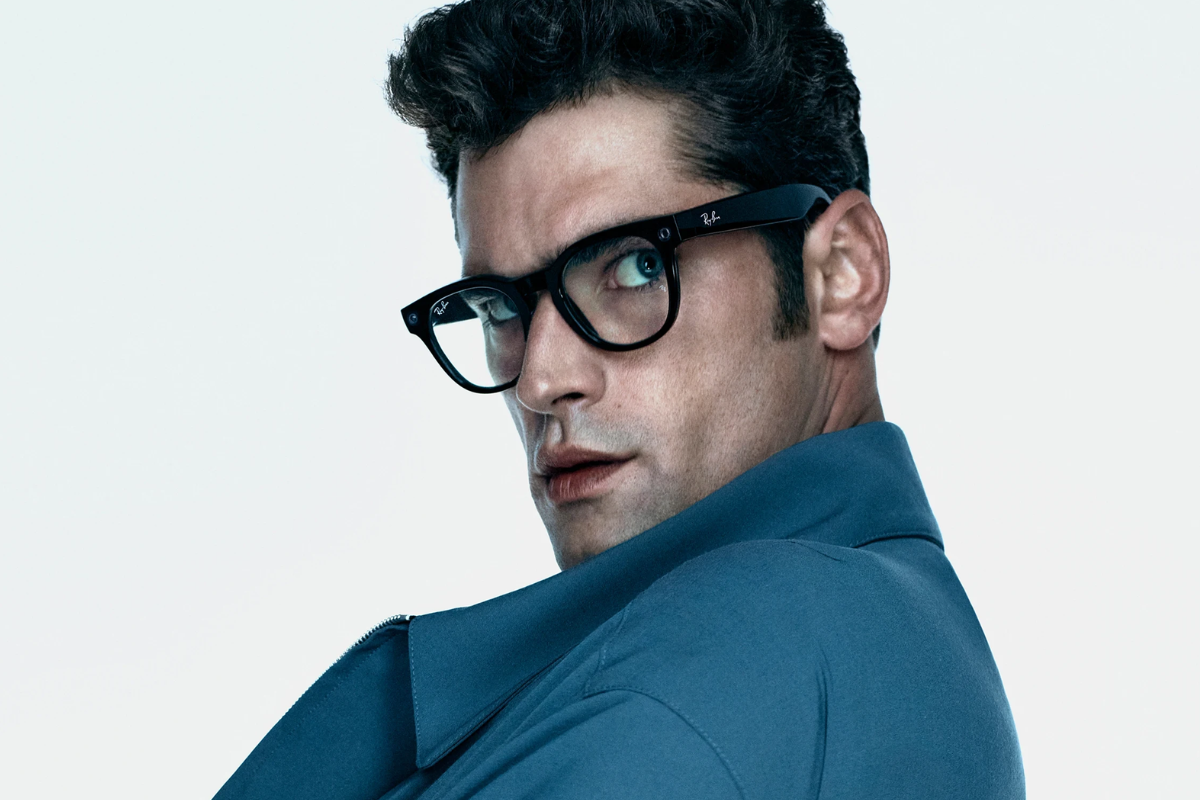
A woman's discomfort with a doctor wearing smart glasses during a consultation has sparked debate over privacy and the use of camera-equipped technology in healthcare settings.
The point is, say Meta, Amazon, google… etc… are known for collecting video and audio at times the owner has not intentionally triggered it to do so. Sued for what should be HIPPA violations, to my knowledge HIPPA is pretty darn strict, even if there hasn’t been an actual breach. Like say, leaving a computer open and logged in to your medical record system unguarded near your waiting room, is still a huge breach of HIPPA laws, even if no patient has ever walked up and looked at the screen.
If a doctor points their personal smartphone camera at a patient during an exam, as the doctor in the OP did with their camera, that is a massive issue. Why are you defending blatant violations?
I’m sorry, it wasn’t a rhetorical question; I should have made that clear. You brought up HIPAA and spoke about it with some authority so I assumed you’d know.
A phone can be recording audio in a pocket. I assume this would also be a HIPAA violation, so I’m guessing (keyword here) that just having the glasses in the room isn’t a HIPAA violation.
Still not advocating that doctors wear them, in case that needs to be restated.
I guess I understand your overall point It’s probably valid to say that phones shouldn’t be (though I suppose not against the law due to the laws not keeping up with the evolution of celphones).
I’d say smart glasses are in their current form, currently just a shock, because it’s their primary purpose. That’s basically why google glass flopped so spectacularly and the term “glasshole” followed their release almost instantly. Celphones do absolutely have the capacity to be turned into a spy device, even by accident or outside the owners control much like smart glasses. But I suppose the transition from snap shut flip phones to smart phones was kind of the slow burn that kind of made it not heavily thought up.
I do agree with the initial key point, IE smart glasses inherently make people feel uncomfortable and it’s basically waving in their face that they could be recorded at a moments notice if they aren’t already. It’s like technically I know that anyone I talk to, could have a concealed carry permit and may have a gun hidden on their person… but I’d feel far more unsafe being around someone with an AR15 strapped on him.
But I suppose the transition from snap shut flip phones to smart phones was kind of the slow burn that kind of made it not heavily thought up.
I recall that when smartphones were first coming into existence, there was a fair amount of pressure to legally require them to make camera noises when a picture was taken, for fear that someone might have their picture taken without their knowledge.
It’s like technically I know that anyone I talk to, could have a concealed carry permit and may have a gun hidden on their person… but I’d feel far more unsafe being around someone with an AR15 strapped on him.
This is an excellent additional example of the effect I was thinking about.
The fact that they own the device? From the article it’s implied that the doctor wasn’t recording.
That’s the thing though, it’s multiple levels of trust required. Point is the device is connected to his phone, You don’t just have to trust the doctor not to hit the button to record (either intentionally or accidentally) but you also have to trust facebook not to have set the device to do some stealth recording outside of permission (again either intentionally or some sort of “accidental” system). Or also cyber attacks (IE doctors phone or glasses could have been infected by a virus that quietly enables the camera and sends the footage to some shady extra site). The presence of a cloud capable camera adds multiple layers of issues, beyond just the owner of the camera itself.


The fact that they own the device? From the article it’s implied that the doctor wasn’t recording.
They still send data when they’re not recording. In either case, the doctor needs to be sued.
“Send data” meaning what? That phrase is suspiciously vague compared to what I said.
Sued for what?
The point is, say Meta, Amazon, google… etc… are known for collecting video and audio at times the owner has not intentionally triggered it to do so. Sued for what should be HIPPA violations, to my knowledge HIPPA is pretty darn strict, even if there hasn’t been an actual breach. Like say, leaving a computer open and logged in to your medical record system unguarded near your waiting room, is still a huge breach of HIPPA laws, even if no patient has ever walked up and looked at the screen.
Are doctors allowed to have their personal smartphone on them in the exam room?
If a doctor points their personal smartphone camera at a patient during an exam, as the doctor in the OP did with their camera, that is a massive issue. Why are you defending blatant violations?
Quote where I defended it.
I’d say they shouldn’t be, but either way, they sure as heck don’t normally have them out of their pockets pointing the camera at their patients.
I’m sorry, it wasn’t a rhetorical question; I should have made that clear. You brought up HIPAA and spoke about it with some authority so I assumed you’d know.
A phone can be recording audio in a pocket. I assume this would also be a HIPAA violation, so I’m guessing (keyword here) that just having the glasses in the room isn’t a HIPAA violation.
Still not advocating that doctors wear them, in case that needs to be restated.
I guess I understand your overall point It’s probably valid to say that phones shouldn’t be (though I suppose not against the law due to the laws not keeping up with the evolution of celphones).
I’d say smart glasses are in their current form, currently just a shock, because it’s their primary purpose. That’s basically why google glass flopped so spectacularly and the term “glasshole” followed their release almost instantly. Celphones do absolutely have the capacity to be turned into a spy device, even by accident or outside the owners control much like smart glasses. But I suppose the transition from snap shut flip phones to smart phones was kind of the slow burn that kind of made it not heavily thought up.
I do agree with the initial key point, IE smart glasses inherently make people feel uncomfortable and it’s basically waving in their face that they could be recorded at a moments notice if they aren’t already. It’s like technically I know that anyone I talk to, could have a concealed carry permit and may have a gun hidden on their person… but I’d feel far more unsafe being around someone with an AR15 strapped on him.
I recall that when smartphones were first coming into existence, there was a fair amount of pressure to legally require them to make camera noises when a picture was taken, for fear that someone might have their picture taken without their knowledge.
This is an excellent additional example of the effect I was thinking about.
Honestly, they shouldn’t be.
That’s the thing though, it’s multiple levels of trust required. Point is the device is connected to his phone, You don’t just have to trust the doctor not to hit the button to record (either intentionally or accidentally) but you also have to trust facebook not to have set the device to do some stealth recording outside of permission (again either intentionally or some sort of “accidental” system). Or also cyber attacks (IE doctors phone or glasses could have been infected by a virus that quietly enables the camera and sends the footage to some shady extra site). The presence of a cloud capable camera adds multiple layers of issues, beyond just the owner of the camera itself.