The nuclear capacity losses are because of environmental regulations, not because of inherent issues with nuclear.
Regulations restrict discharge of cooled water above 30°C into waterways, and they are responsible for the riverway temperature downstream of them. Since the waterways are warmer during a heat wave and the nuclear plant is responsible for the temperature of that waterway, they cannot discharge as much warm water into that waterway.
Solar doesn’t work at night, and sufficiently scalable energy storage technology doesn’t yet exist.
Solar loses considerable capacity as ambient temperature increases. At 40°C ambient, you’re talking about a 15% or higher reduction in efficiency. Which would be HIGHER than the ~12% reduction in nuclear capacity Europe hmis seeing


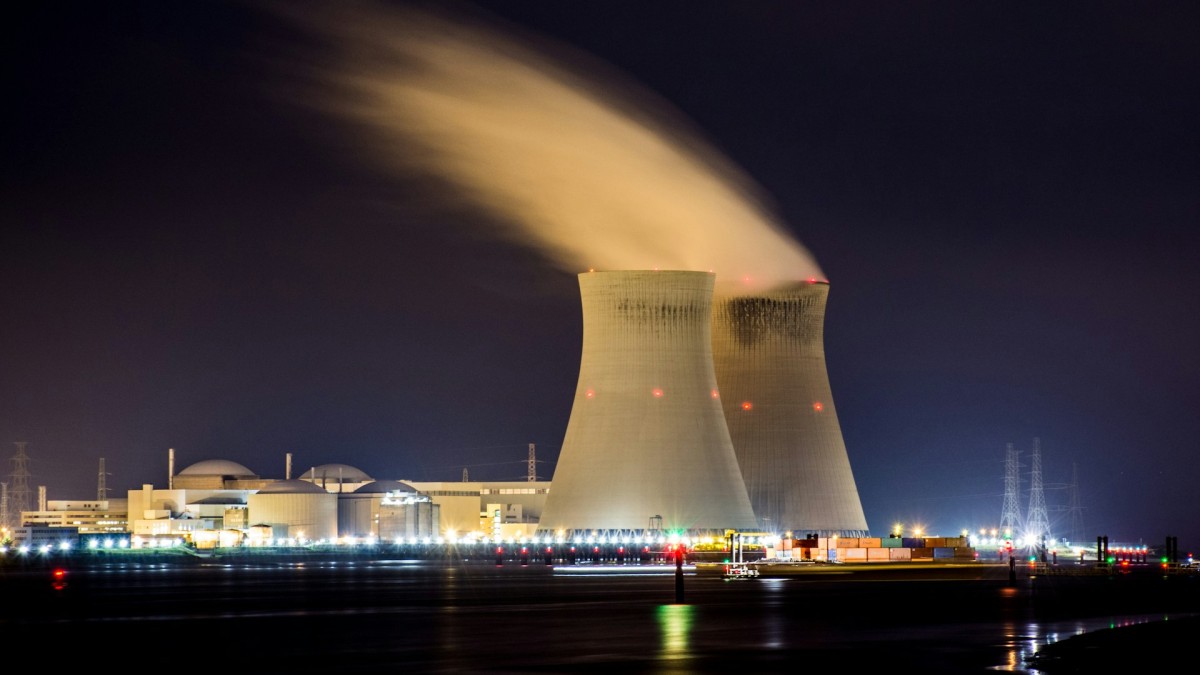
But I was told nuclear would always work, regardless of weather!
Well, at least it sounds like solar would be a great complement. Again.
Not sure if joking or just ignorance? Both?
Guys, guys, it’s not an OR, it’s an AND.
We need both nuclear AND renewables.
Oh of course, I’m not arguing against solar. Just arguing against dumb takes.